



Have you ever wondered how much return your organisation gets from employee training? Are those hours spent in workshops or webinars paying dividends? Many businesses invest heavily in training but struggle to connect that investment to measurable outcomes.
In 2025, with a digital workforce and fast‑evolving skills needs, these questions matter more than ever. Traditional, one‑off training sessions often fail to provide lasting change or measurable impact. Tracking outcomes manually is time‑consuming and often inaccurate, which leads to wasted budgets and frustrated learners.
A Learning Management System (LMS) for employee training offers a scalable solution. But what exactly is the return on investment? And how can companies, especially in Africa, ensure that investment truly pays off?
LMS for Employee Training: Why It Matters


The global eLearning market is projected to grow from USD 245 billion in 2022 to USD 462 billion by 2027, driven by corporate adoption of LMS platforms. In fact, by 2023, nearly 98 % of corporations were planning to use e‑learning for staff training. For businesses in Nigeria and across Africa, this digital shift offers both opportunities and pressure to upskill rapidly.
Traditional instructor‑led training is slow and expensive. Costs per participant can run well over $120 per hour when accounting for venue, travel, materials and instructor fees. Not only is this inefficient at scale, but learners often forget most content soon after a workshop ends.
By contrast, LMS platforms centralise content, automate course delivery, enable 24/7 access, and make tracking straightforward. They reduce redundancies, streamline onboarding, and ensure uniform quality across your workforce.
- Growing Digital Workforce and Upskilling Needs
The way we work is changing fast. As automation, AI, and remote collaboration tools become part of everyday operations, employees need new skills to keep up. The traditional once-a-year training model is no longer enough. Continuous learning is now essential, not optional. Roles that once required only basic technical know-how now demand fluency in data analysis, digital communication, cybersecurity awareness, and more.
To stay competitive, companies must invest in upskilling, not just to boost employee performance but also to retain top talent. A digitally empowered workforce is more agile, adaptable, and productive. With a learning management system (LMS), organisations can deliver structured, scalable training that meets the evolving needs of a modern workforce.
- Faster Onboarding and Knowledge Transfer
New hires equipped with the right training hit productivity faster. An LMS enables structured onboarding paths, quizzes, certifications and automated progress tracking. Companies report cutting onboarding time significantly. For example, Ernst & Young reduced training time by 52 % using e‑learning methods.
New employees who feel supported via structured digital training are more likely to stay longer. That directly impacts staff turnover. In one study, 1 in 3 employees leave within their first year, and 83 % cited lack of training as a key reason.
- Reduces Time‑to‑Productivity for New Hires
Using bite‑sized, on‑demand learning modules, what is often called microlearning, companies see up to 40 % higher completion rates and about 30 % better retention compared to traditional formats. That means employees ramp up faster, make fewer mistakes, and contribute sooner to business goals.
How to Measure ROI from LMS Investments
- Track Completion Rates, Assessments, and Progress
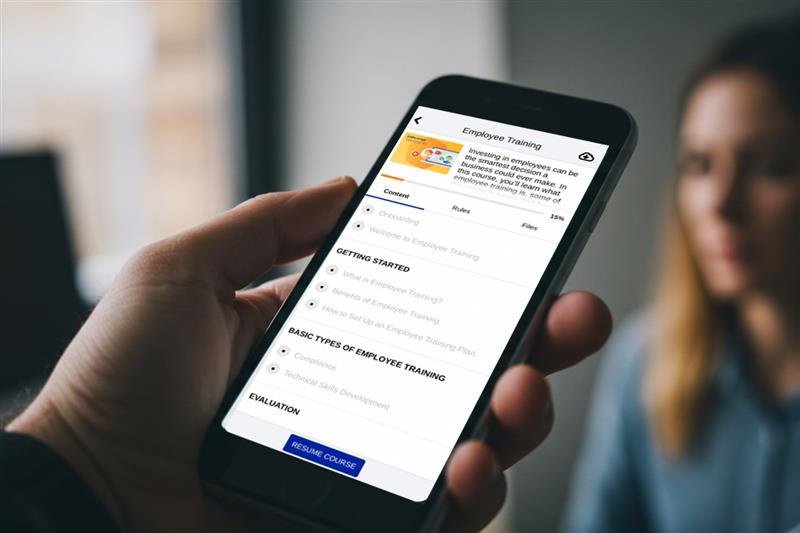
The first step is tracking learner progress. Completion rates, quiz scores and training paths give basic signals about engagement and knowledge acquisition. Dashboards allow you to see who has done what and who might be falling behind.
- Use Analytics to Link Training to KPIs like Performance or Sales
Modern LMS platforms offer analytics to connect training completion with business metrics. For example, sales teams that completed onboarding modules might show higher conversion rates. Customer‑facing staff might deliver better satisfaction scores post‑training.
- Real‑Life Case Studies of ROI Improvement
Continu reports that 42 % of companies saw revenue gains after implementing eLearning, thanks to improved productivity and skills application. Moreover, IBM famously stated that each $1 invested in online training returned about $30 in increased productivity. Other studies show an average ROI of $4.50 (or more) earned for every $1 spent on training. LMS-driven training yields around 33 % ROI in the second year and 50 % by the third year.
Key Features That Improve ROI

- On‑Demand Modules, Mobile Access, Certification
Employees value flexible, mobile-friendly, and accessible options at any time. Mobile learning boosts engagement and retention by up to 45 % in some studies. Offering certification paths builds trust and recognition, especially in regulated industries.
- Employee Feedback, Course Updates, and Gamification
Continuous improvement matters. Feedback loops help you refine modules. Gamification, like badges, leaderboards, and quizzes, boosts motivation. Adaptive and personalised learning paths help learners stay engaged.
- Integration with Performance Review Systems
When LMS data integrates with HR or performance systems, you can align learning with competency frameworks. That allows for reward, recognition, and proactive interventions, driving both retention and growth.
Cost vs. Value: Is It Worth the Investment?
- Cost of LMS vs. Traditional Training
Traditional training costs include travel, venues, instructor fees, and printed materials, averaging $123 per training hour per participant. LMS delivery minimises these recurring costs and scales better over time.
- Long‑Term Benefits: Reduced Turnover, Improved Skills
Employees who get continuous development stay longer. With turnover so costly, retention alone can justify LMS investment. Given that up to 83 % of first‑year leavers cite poor training as a cause, retention gains pay off fast.
- Cost Savings in Logistics and Instructor Fees
Deploying e‑learning slashes logistics costs. Big firms like Cisco reduced training costs by 40–60 % and IBM saved hundreds of millions through digital learning initiatives.
Best LMS Platforms in Nigeria and Africa
When considering LMS options, African businesses must look for features like offline access, localisation, multilingual support, mobile‑first design, and affordable pricing.
One standout solution is EdiifyLMS by Vigilearn Technology. Built specifically for Nigeria and African markets, EdiifyLMS offers offline access via local caching and adapts pricing to SMEs in local currency. You can explore EdiifyLMS at https://ediify.app/ and see how it fits your corporate learning needs.
- EdiifyLMS: localised, offline‑capable, mobile‑friendly, affordable.
- Global platforms (e.g., Moodle, TalentLMS, Tovuti) that offer international reach but may lack local African features like offline caching or local currency support.
Features Important for African Businesses
- Offline access for low or intermittent internet connectivity
- Mobile apps that work on low‑end devices
- Local language and cultural relevance
- Flexible pricing, support, and local presence
Choosing an LMS That Fits Your Team Size and Sector
Small companies may need starter‑level platforms with basic tracking and mobile access. Larger corporations may seek advanced analytics, integration with HR systems, gamification, and certification. Choose based on size, sector regulation, and growth plans.
Investing in an LMS for employee training is not just a cost; it’s a strategic move toward long‑term value. With a digital workforce and rapidly shifting skill demands, learning management systems offer measurable returns in productivity, retention, engagement, and revenue.
Companies that track completion rates, leverage analytics, and connect learning to performance metrics can quantify ROI, with many organisations achieving $4‑to‑$30 returns per dollar spent. A well‑chosen LMS reduces logistics costs, shortens onboarding, and decreases turnover.
In Africa, where connectivity and localisation matter, platforms like EdiifyLMS offer tailored solutions that deliver real impact. If you’re ready to see how an LMS for employee training can transform your business, visit the Vigilearn homepage or reach out via our contact page.
You might also enjoy our blog posts on Why Every Business Needs an LMS and Why Employee Training Software Matters in Nigeria.
Explore EdiifyLMS today and start turning your training budget into measurable business results.