


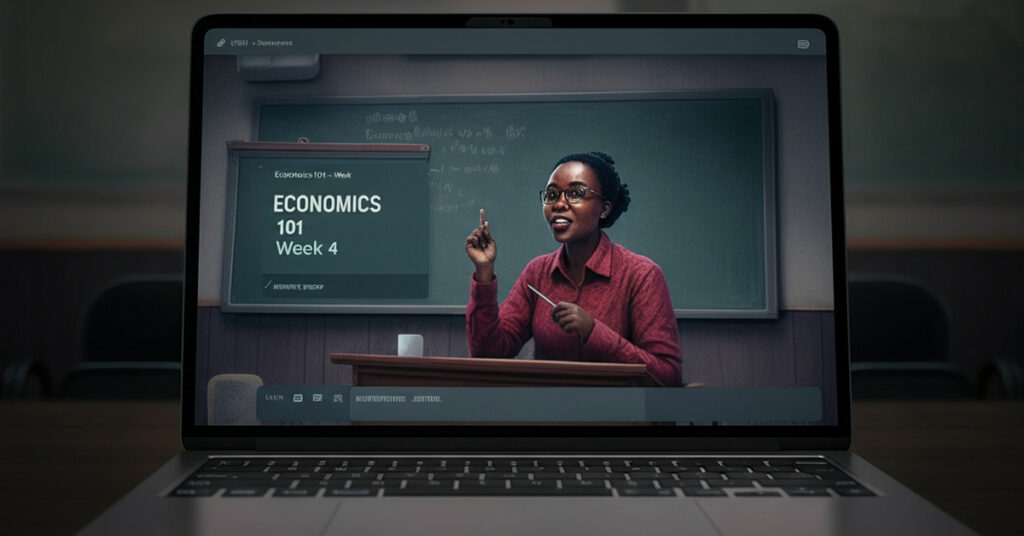
As Nigeria’s higher education sector adapts to the digital era, virtual classrooms have transitioned from niche experiments to mainstream delivery. Institutions like Ahmadu Bello University (ABU), Zaria, through its Distance Learning Centre (DLC), now routinely offer programmes online. But why this accelerated adoption?
Today, we explore the forces driving this shift, the benefits, lingering obstacles, top platforms (including local contenders), and what the future could hold, with a subtle nod to EdiifyLMS and a focus on how Vigilearn’s ecosystem supports this transformation.
The Rise of Virtual Classrooms in Nigeria


A Post‑Pandemic Education Shift
March 2020 marked a watershed for Nigeria’s tertiary institutions: campuses closed nationwide, prompting a mass pivot to remote learning. A study involving 703 students and 60 lecturers across universities revealed that over half encountered connectivity challenges, while two‑thirds of students and over half of teachers lamented the lack of interaction. Despite these hurdles, assessments continued, with some students even scoring higher online, a testament to e‑learning’s resilience.
Growing Internet and Mobile Penetration
In Nigeria, internet penetration is steadily growing, with 55% of the population having access as of January 2023. This translates to roughly 123 million internet users. Monthly smartphone data consumption surged nearly 93%—from 517,670 TB in Jan 2023 to over 1,000,930 TB in early 2025. With smartphone usage featuring 3G‑5G connectivity on 98.67 million lines, mobile telephony has become a primary conduit for digital learning. Smartphone penetration is expected to rise further, possibly reaching 91% by 2030.
How Nigerian Universities Are Using Virtual Tools
Live Classes, Assessments & LMS Integrations
ABU Zaria’s DLC now offers synchronous live classes, digital assessments, and online forums, structured through Learning Management Systems (LMS). Institutions like the National Open University of Nigeria (NOUN), serving over 515,000 students, primarily rely on virtual delivery. Even new private entrants such as Miva Open University, founded in 2023, deliver accredited programmes entirely online.
LMS solutions, from Google Classroom, Teams, Zoom, and WordPress‑based platforms, to EdiifyLMS, support lecture scheduling, grading automation, and analytics dashboards.
Hybrid & Blended Learning

Post‑pandemic realities have inspired universities to adopt hybrid models, combining face‑to‑face sessions with online components. A survey of engineering students at a private Nigerian university found only 4% preferred purely online study, while 62% favoured a blended approach. This aligns with global best practice: pre‑recorded lectures complement live remote classes, particularly for hands‑on or lab‑based subjects.
Benefits for Students and Universities
Flexible Access & Expanded Reach
Virtual classrooms let students engage from anywhere, critical in a country with an underdeveloped road network and frequent disruptions. Students working full‑time or living in distant regions can earn credentials without relocating. Universities like ABU DLC now attract applicants from all 36 states, boosting enrolment without expanding physical infrastructure.
Cost‑Efficiency and Administrative Savings
From the university standpoint, virtual delivery reduces overheads linked to facilities, transportation, and printed materials. Administrative tasks, grading, attendance tracking, and content delivery are streamlined through LMS dashboards. Platforms like the EdiifyLMS offer integrated payment modules, attendance logs, and auto‑grading tools built to local specifications.
Learning Analytics & Student Support
Virtual platforms capture rich data, logins, quiz results, and engagement patterns, which help early identify lagging students. This supports timely intervention (reminders, extra tutorials). EdiifyLMS provides macro‑level insights enabling data‑driven strategies.
Challenges and Limitations
Connectivity and Infrastructure Deficits
Despite growth, broadband remains patchy, often congested or slow, with many rural students lacking reliable access. Studies from public universities cite unstable internet and electricity as major hurdles.
Maintaining Student Engagement
Remote learning limits spontaneous interaction. Over 50% of teachers and 67% of students reported limited engagement during the lockdown period. Subjects like anatomy or lab sciences, which require practical exposure, lose nuance online. Blended models alleviate this, but demand robust instructional design and faculty training—areas still emerging.
Top Platforms Supporting Virtual Classrooms
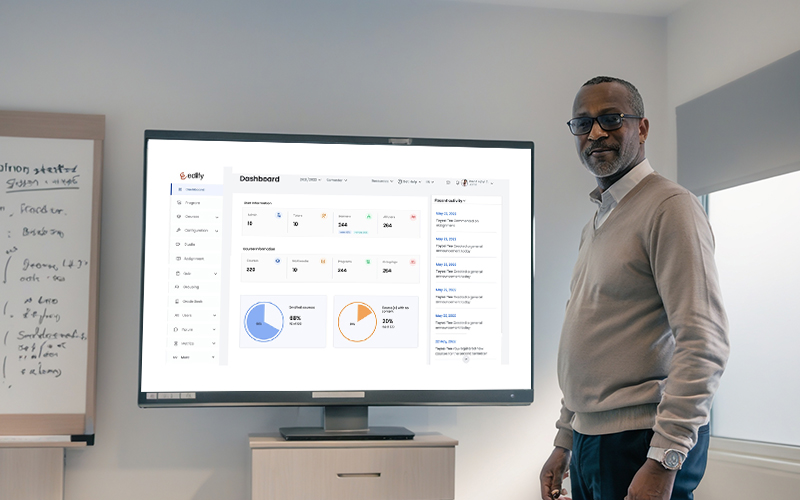
- Zoom & Microsoft Teams: versatile tools for synchronous lectures, hands‑on demos, and breakout discussions.
- Google Classroom: streamlined for assignments and feedback.
- EdiifyLMS: incorporates local payment integration, video-conferencing integration, 24/7 support, and easy onboarding; see our recent post, Top LMS Features Schools in Africa Need.
What the Future Holds for Virtual Learning
Inclusive, Accessible Tools
Expect institutions to adopt platforms that support low‑bandwidth modes, offline access, and multilingual interfaces to help learners in semi‑urban areas and rural communities.
Public‑Private Collaboration
Nigeria’s National Broadband Plan (2020–2025) aims for 70% penetration by 2025, a goal still unmet but achievable through stronger public‑private partnerships. Expanding broadband infrastructure will underpin future e‑education. Meanwhile, UNESCO and EdTech Hub initiatives are funding teacher training and digital resource development.
The Virtual University Nigeria Model
The success of Miva, a private virtual university offering accredited degrees, signals a shift. Public institutions like ABU Zaria may follow, seeking standalone online credentials. Such evolution will require accreditation standards, digital curriculum development, and capacity building.
Why EdiifyLMS Belongs in the Conversation
Virtual classrooms in Nigeria are no longer an experimental fringe; they are fast becoming the backbone of higher education. The pandemic acted as a catalyst, but the real drivers are digital penetration, mobile access, and a growing aspiration for flexibility. Despite infrastructural challenges, platforms like EdiifyLMS are filling the technology gap, offering tailored solutions built for Nigerian realities.
As broadband expands and institutions gain experience in blended delivery, we can expect more accredited programs, digital degrees, and learner‑centred pedagogies that owe as much to local ingenuity as to global technology.
To discuss how Vigilearn can support your institution, visit our homepage or contact us.