



What Is Micro-Learning and Why It Matters
In a world where attention spans are getting shorter and time feels more limited than ever, the way we learn has to evolve. That’s where micro-learning steps in, a learning approach that delivers content in small, focused chunks that are easy to absorb.
Instead of long lectures or hour-long modules, micro-learning breaks lessons into bite-sized pieces that learners can complete in minutes. Think of it as the “snack version” of education: short, digestible, and surprisingly powerful.
In 2025, this approach is no longer just a trend, it’s becoming a standard part of how students and professionals learn online. By focusing on one concept at a time, micro-learning helps students stay engaged, remember more, and actually enjoy the process. That’s what makes micro-learning in virtual education such a game changer for institutions around the world.
How Bite-Sized Content Enhances Student Retention

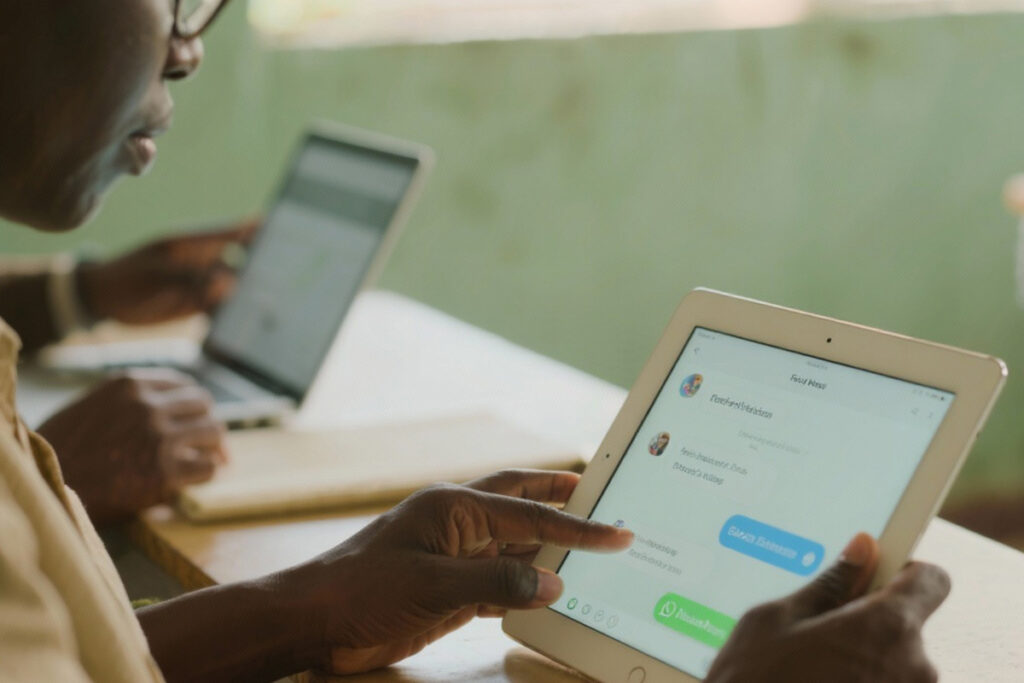
Research consistently shows that shorter, focused lessons boost learning outcomes. According to a study by the Journal of Applied Psychology, micro-learning can improve knowledge retention by up to 17% compared to traditional training methods. The reason is simple: the brain processes and recalls small bits of information more effectively than large volumes delivered all at once.
Online learning platforms like Coursera and Udemy have built entire ecosystems around this idea. Their courses are structured into quick lessons, often under ten minutes, that fit perfectly into a student’s daily routine. Learners can complete a module during a lunch break or between classes without feeling overwhelmed.
For universities, adopting bite-sized content also reduces dropout rates in online programs. When lessons are short and clear, students are more likely to complete them and stay consistent throughout the course. That consistency leads to better results, both in engagement and comprehension.
And let’s be honest: in an era of constant notifications and distractions, keeping learners engaged is no small feat. Micro-learning gives educators a way to meet students where they are that is on their phones, tablets, and laptops with content that fits naturally into their digital lives.
Integrating Micro-Learning in Virtual Classrooms
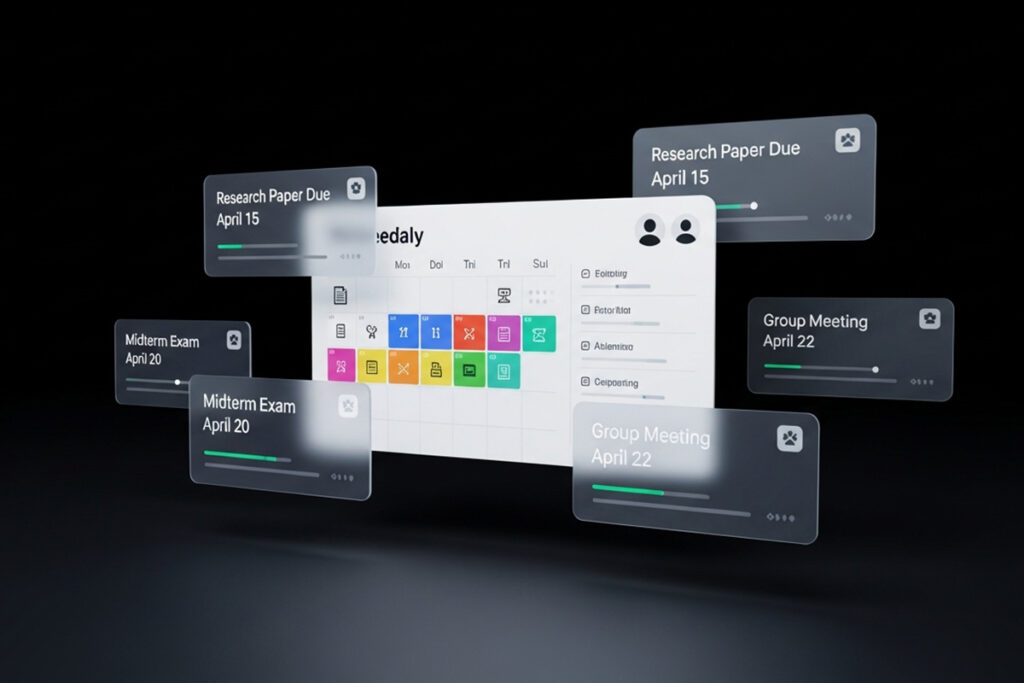
So, how can universities and educators bring this idea to life? It starts with a shift in how lessons are designed and delivered.
Instead of building one long video lecture, instructors can divide their content into short modules, each focusing on a single skill or idea. A five-minute video explaining a key concept, followed by a short quiz or discussion, keeps learners active and gives them a quick sense of progress.
Learning Management Systems (LMS) play a huge role here. Platforms like Vigilearn make it simple for educators to upload, schedule, and track micro-learning modules. With built-in features such as progress tracking, interactive assessments, and automated feedback, the system supports short-format content beautifully.
Another effective way to integrate micro-learning in virtual education is through automation. Imagine a system that automatically sends reminders for upcoming micro-lessons or unlocks the next module when a student completes the current one. It not only keeps learners motivated but also ensures that no one falls behind.
Educators can also use a variety of media to make lessons dynamic, such as short videos, infographics, mini case studies, and quick interactive tasks all work well. The goal isn’t to make content shorter just for the sake of it, but to make every second count.
Success Stories from African Institutions
Across Africa, several forward-thinking universities are already seeing the benefits of adopting micro-learning strategies.
In Nigeria, one private university implemented a micro-learning structure for its online professional courses and saw a 30% increase in completion rates within six months. Students reported feeling “less pressured” and “more motivated to keep learning” because the modules were short and flexible.
In Kenya, another institution used Vigilearn’s automation and LMS tools to launch micro-learning modules for teacher training. They noticed not only faster course completion but also improved engagement during assessments. Instructors could easily update content, while learners accessed lessons seamlessly from their phones.
These results show that when education becomes flexible and human-centered, students respond with enthusiasm. They don’t only learn better, they stay connected longer. That’s the hidden strength of micro-learning in virtual education for regions where accessibility and connectivity often present challenges.
Future of Learning: Micro vs. Traditional Long-Form Courses
The debate between micro-learning and traditional long-form courses is really a reflection of how education is changing. While long-form content still has its place, especially for complex or research-heavy subjects, micro-learning offers something different which is agility.
Modern learners want flexibility. They expect content that fits into their schedules, not the other way around. With smartphones becoming the primary device for online learning, micro-learning naturally supports a mobile-first experience. Students can learn anytime, anywhere, without being tied to a classroom or desktop.
The future will likely blend both approaches. AI-driven systems will soon personalize learning journeys by identifying knowledge gaps and suggesting short, targeted lessons to fill them. For instance, if a student struggles with a topic, the LMS might automatically recommend a five-minute explainer or a short quiz to reinforce understanding.
This balance between short and long-form content ensures that education remains both deep and flexible, giving learners control over their pace and focus. That’s the direction the world is heading, and institutions that embrace micro-learning in virtual education will lead the way in making learning more effective and inclusive.
Why Vigilearn Supports the Shift
At Vigilearn, we believe that innovation in learning should always prioritize people. Our platform is designed to support institutions that want to modernize their teaching methods through tools that make creating and managing micro-learning modules easy.
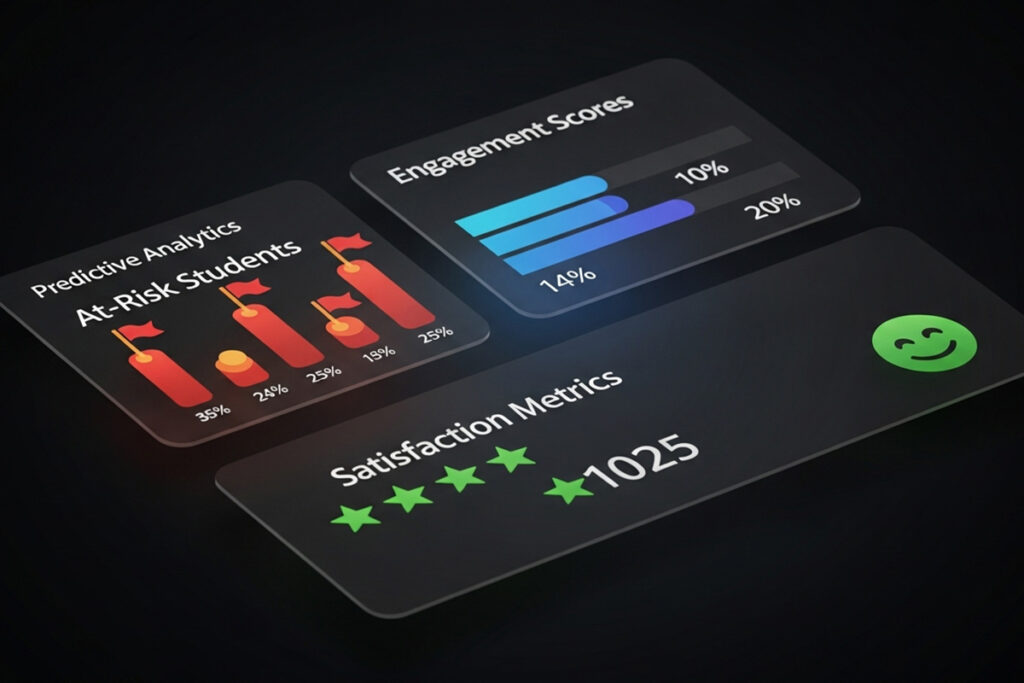
Educators can build lessons that are not only short but also interactive and data-driven. With integrated dashboards, they can track progress, monitor completion rates, and analyze engagement trends, all from one platform.
By adopting Vigilearn, universities can turn micro-learning into a long-term strategy that improves outcomes while saving time and effort. It’s a win for both educators and learners.
To learn more about how Vigilearn supports modern education through innovation, visit the Vigilearn Homepage or connect directly via our Contact Page.
For more insights, check out our related post: From Application to Graduation: Automating Student Journeys with Apply Portal.
The Bigger Picture: The Future Is Bite-Sized
Micro-learning isn’t just a buzzword, it’s shaping the future of education. It fits the rhythm of modern life, respects the learner’s time, and makes knowledge easier to access and retain.
Reports from Harvard Online Learning and Educause Review highlight how this approach boosts student motivation and improves learning outcomes across all levels. And as the World Economic Forum points out, the future of education depends on systems that are flexible, digital, and personalized.
In the end, micro-learning in virtual education is about more than shorter lessons, it’s about smarter learning. When institutions embrace this model, they not only enhance engagement and retention but also prepare students for a future where learning never stops.