
The shift to online learning has transformed education globally, and Nigerian schools are no exception. With this shift comes a critical need to focus on cybersecurity in Nigerian online education. Protecting the vast amounts of sensitive student and teacher data in digital environments is essential to maintain trust, ensure smooth learning experiences, and safeguard against evolving cyber threats.
This blog explores why cybersecurity matters in Nigerian online education, the common threats schools face, best practices for stronger digital safety, and the roles of government and educational technology platforms in securing Nigeria’s online learning landscape.
Why Cybersecurity Matters in Nigerian Online Education
The COVID-19 pandemic accelerated the adoption of online learning platforms in Nigeria, enabling schools to continue instructional activities during lockdowns and beyond. This rapid expansion brings many benefits, including accessibility, flexibility, and wider reach, but it also exposes schools and students to significant cybersecurity risks.
Student records, grades, and personal information as well as teacher data, are stored digitally, making them appealing targets for cybercriminals. Given the sensitivity of this information, breaches can lead to identity theft, reputational damage, loss of academic integrity, and significant privacy violations. For schools, a single incident could result in financial loss, legal implications, or disruption to academic activities.
Moreover, Nigeria faces a growing number of cyber threats due to increasing internet penetration and varying levels of digital literacy. Schools that are unprepared for these risks could experience prolonged system downtime, loss of trust from parents and guardians, and compromised learning outcomes. This makes cybersecurity in Nigerian online education not just a technical issue, but a core requirement for sustainable education.
Common Cybersecurity Threats in Nigerian Schools

1. Phishing Attacks
Phishing remains one of the most prevalent cybersecurity threats worldwide. In schools, cyber attackers often send fraudulent emails or messages impersonating trusted entities such as school administrators, exam boards, or government agencies. The goal is to trick students, teachers, or administrators into revealing login credentials or clicking malicious links. A single mistake can lead to widespread system compromise.
2. Malware and Ransomware
Malware can infiltrate school systems through downloaded files or malicious links, compromising devices with viruses or spyware. Ransomware attacks, which encrypt data until a ransom is paid, can devastate school operations by locking educators out of critical platforms. According to insights from Kaspersky on cybersecurity in education, these threats continue to evolve, targeting institutions that lack adequate defenses
3. Unauthorized Access to Student Records
Inadequate authentication mechanisms allow unauthorized individuals to access confidential student records. This not only breaches privacy but can enable identity theft or manipulation of academic results. For students applying for universities or scholarships, compromised records can have life-changing consequences.
4. Social Engineering
Attackers often exploit human psychology rather than technical flaws. For instance, they might call staff pretending to be IT support or pose as school officials requesting urgent information. By manipulating trust and emotions, social engineers bypass security controls that would otherwise block direct system intrusions.
5. Poorly Secured Networks
Many schools rely on shared Wi-Fi or outdated infrastructure, creating vulnerabilities. Without strong encryption, hackers nearby can intercept sensitive data transmitted between students, teachers, and school platforms.
Best Practices for Cybersecurity in Nigerian Online Education
To protect students, staff, and institutions, implementing strong cybersecurity measures is non-negotiable. Below are practical steps schools can adopt.
1. Using Secure Learning Platforms
Schools should adopt e-learning solutions that prioritize security. Features such as encrypted data transmission, secure cloud storage, regular software updates, and access control must be part of the system. Platforms designed for education like those offered by Vigilearn, integrate enterprise-grade cybersecurity with innovative learning management tools, making them ideal for Nigerian schools.
2. Teacher and Student Cybersecurity Training
Technology alone is not enough. Raising awareness through regular training equips both educators and learners with the knowledge to recognize phishing attempts, avoid suspicious downloads, and follow safe internet habits. By developing digital safety awareness, schools drastically reduce human-related vulnerabilities.
3. Two-Factor Authentication and Password Policies
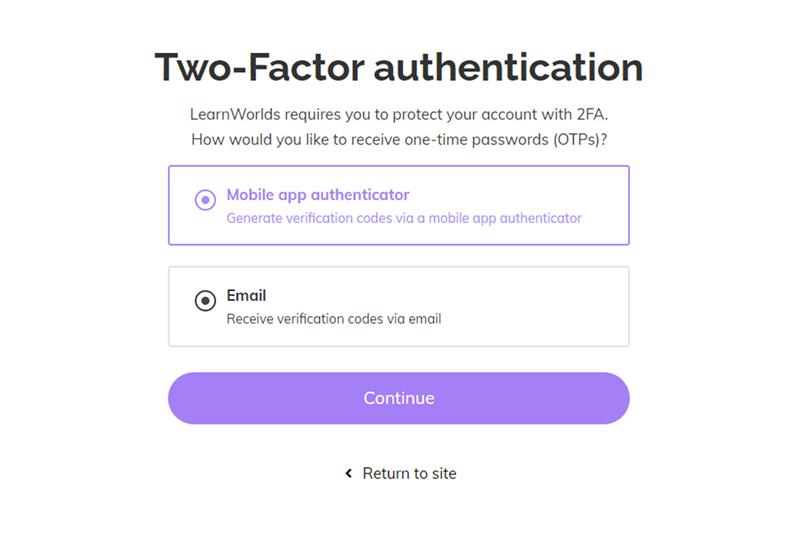
Enhancing account security with two-factor authentication (2FA) can prevent unauthorized access even if passwords are compromised. Strong password policies, such as requiring a mix of characters and regular updates, further protect login credentials.
4. Regular Security Audits
Schools must periodically audit their IT infrastructure and software to identify vulnerabilities. Proactive assessments, followed by timely updates and patches, reduce the chances of attackers exploiting weak points.
5. Data Minimization and Storage Policies
Schools should only collect data that is absolutely necessary. The less sensitive data stored, the lower the risk in case of a breach. Proper retention schedules also prevent outdated records from becoming a liability.
The Role of Government and EdTech in Cybersecurity
The Nigerian government has begun recognizing the importance of cybersecurity in education, with initiatives under frameworks like the NCC Nigeria Cybersecurity Framework. These policies support schools and institutions in aligning with international best practices for digital security.
Educational technology providers also play a key role in implementing secure environments. For example, Vigilearn offers platforms that combine innovative learning management with cybersecurity features tailored for Nigerian schools. The Vigilearn Apply Portal makes admissions paperless while safeguarding student records. This balance between innovation and security is crucial for trust in digital education.
In addition, collaboration with global organizations such as the National Cybersecurity Alliance and UNICEF’s Digital Safety for Children initiative helps Nigeria tap into global resources and expertise. These partnerships provide guidelines and campaigns that strengthen schools’ cybersecurity posture.
Building a Safer Digital Education Future
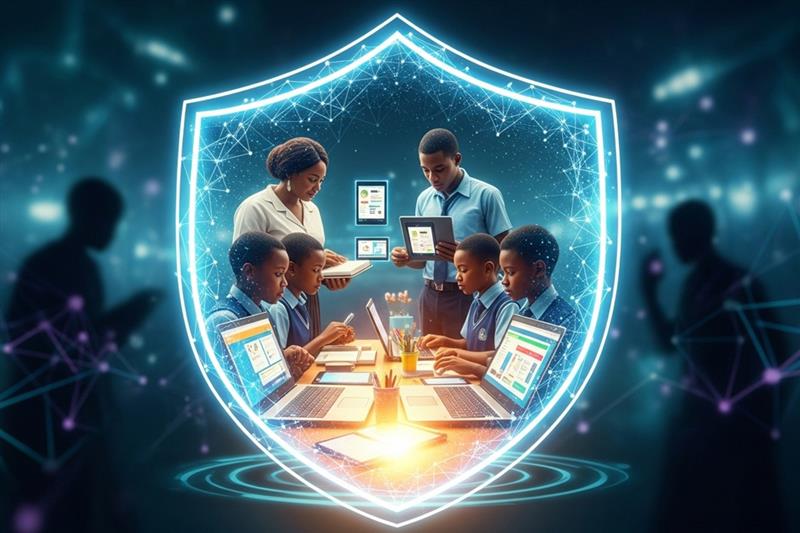
Looking ahead, building resilient online education in Nigeria will depend on collective responsibility. Teachers, administrators, parents, and students must all play their part in following safe practices. Governments need to continuously update digital safety frameworks, while EdTech providers must keep innovating to outpace cyber threats.
Parents and guardians also have a role: by monitoring their children’s online activity and teaching them safe digital behavior, they help extend cybersecurity beyond the classroom into the home. Similarly, schools must create an environment where cybersecurity is discussed openly and included as part of digital literacy education.
The combination of awareness, government support, and trusted platforms makes it possible to ensure cybersecurity in Nigerian online education is strong enough to withstand evolving threats.
Conclusion
As online education continues to grow in Nigeria, the importance of cybersecurity in Nigerian online education cannot be overstated. Schools must proactively address phishing, malware, unauthorized access, and social engineering risks through secure technologies, regular training, and strong authentication measures.
Support from government frameworks and innovative EdTech providers like Vigilearn further strengthens the country’s defenses, ensuring that learning can thrive safely in digital spaces.
For schools looking to implement secure education solutions, Vigilearn offers tools designed to protect students and teachers alike. Administrators can also explore resources on the Vigilearn Apply Portal blog or connect through the Vigilearn contact page for personalized support.
With the right safeguards, Nigeria can build a trusted, future-ready education system where every student learns without fear of cyber threats.
