
Remote Employee Training: How Companies Build Consistent Learning Across Distributed Teams

Remote employee training rarely fails because the content is wrong. It fails because a new starter in Toronto, a team lead in Manchester and a support analyst in Nairobi receive the same material in three very different ways, then act on three different understandings of the same policy. The shift is not reversing. Gallup reports that the share of on-site, remote-capable employees who say their team is spread across locations rose from 13% in 2023 […]
LMS vs LXP: What’s the Difference and Which Do You Need?
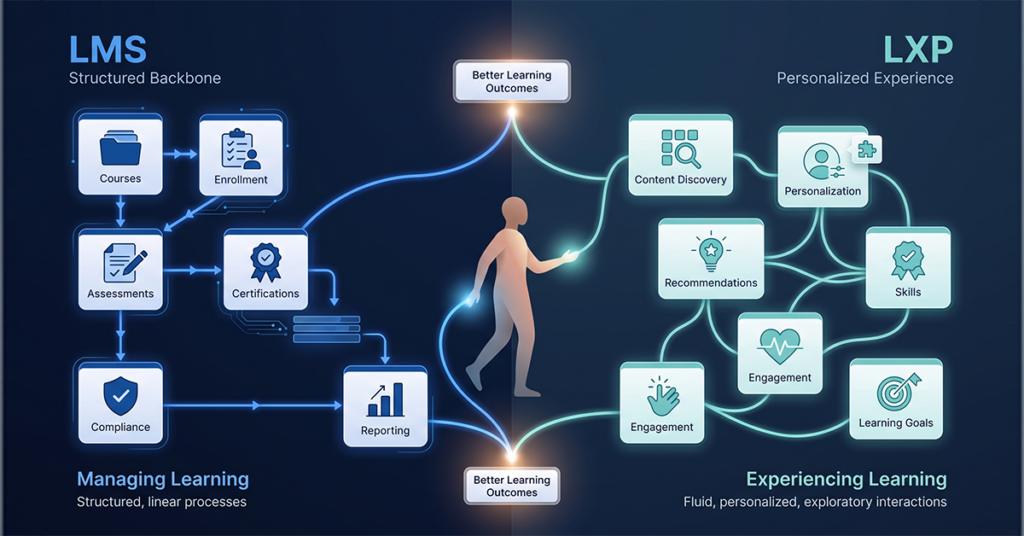
If your organisation already runs a learning management system, the LMS vs LXP question can feel unnecessary. Why add another platform when the one you have already delivers courses, tracks completions and keeps compliance officers happy? The honest answer is that an LMS and an LXP were built to solve different problems, and understanding that difference matters more than picking a winner. One gives administrators control over what people must learn. The other gives learners […]
Education Management Information System: How Governments Manage School Data

Managing education at a national or state level means making decisions based on a constant flow of information: how many learners are enrolled, where schools are located, how many teachers are available, which facilities need attention, and where resources are most urgently needed. When that information is collected through disconnected systems, paper records, and spreadsheets, getting a reliable picture of what is happening across schools becomes difficult. Data can be incomplete, outdated, or scattered across […]
Digital Identity Verification: Why Governments Are Rethinking How They Confirm Who’s Who
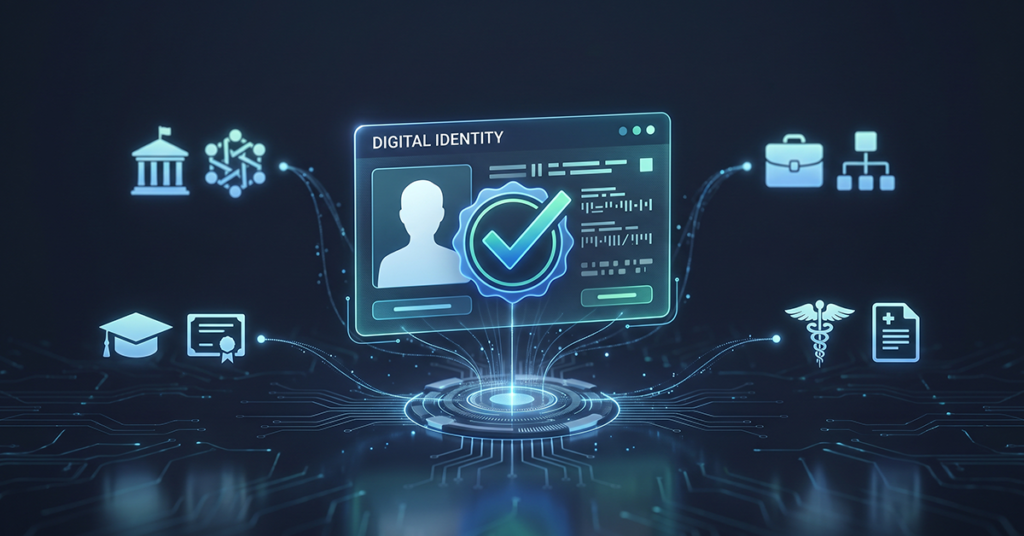
Digital identity verification has quietly become one of the hardest problems in government administration, not because verifying a single person is difficult, but because confirming that thousands of people in a database are real, unique and correctly linked to their records is. A ministry can have sound policy and capable staff, and still lose money and trust because its underlying records are unreliable. The symptom shows up differently by sector. In payroll, it looks like […]
Online Application Portal: How Institutions and Government Agencies Simplify the Application Process
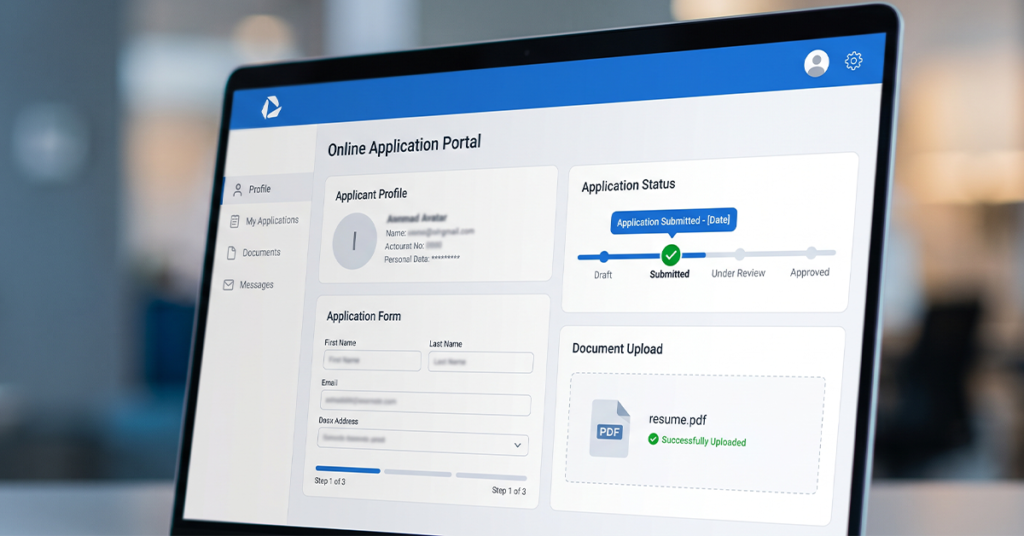
An online application portal is quietly becoming the backbone of how universities, businesses and government agencies collect and manage applications at scale. For decades, the default was paper forms, email attachments and spreadsheets stitched together by whichever staff member had the patience for it. That approach worked when volumes were modest. It buckles the moment an admissions office, a recruitment team or a government programme must process thousands of submissions within a tight window. The […]