
If you’ve ever been in a university admissions office, you’ve probably seen it all: long lines of hopeful students, desks buried under piles of paperwork, staff running around trying to track down missing documents, and anxious faces waiting for news. Manual enrollment can be stressful for everyone involved. The slow pace, all the mistakes that happen along the way, and the lack of clear communication often leave a not-so-great first impression.
That’s where learning how to automate student enrollment comes in. By shifting from manual to digital processes, higher education institutions can speed up admissions, cut down on mistakes, and offer students a smooth, professional experience right from the start. The best part is that it’s not just about efficiency, it’s about freeing up your staff to focus on meaningful interactions instead of endless paperwork.
Key Steps to Automate Student Enrollment

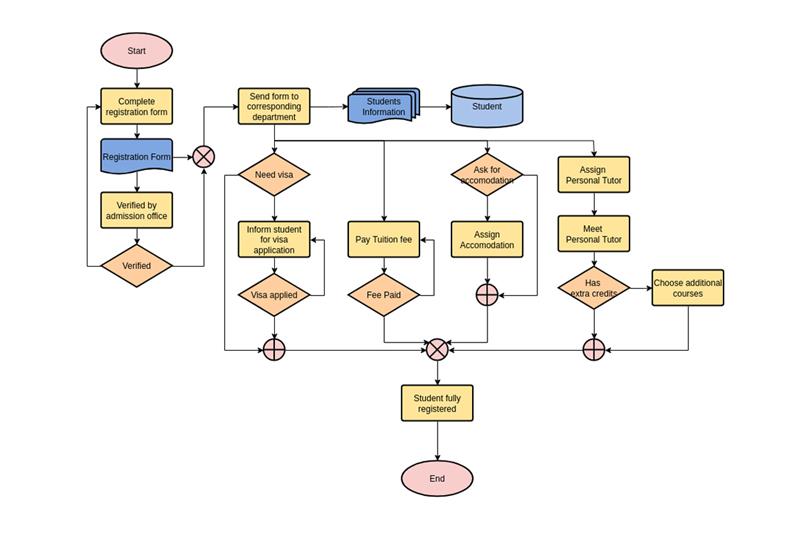
Automating enrollment doesn’t mean replacing people, it means letting technology handle the repetitive tasks so staff can focus on guidance and support. A typical digital workflow looks like this:
- Lead capture – gather interest from prospective students through forms or event sign-ups.
- Application forms – move applications fully online with smart forms.
- Document uploads – collect transcripts, ID, and certificates securely.
- Verification – use automated systems for ID checks and fraud detection.
- Onboarding – instantly sync accepted students into your LMS and communication tools.
Each of these steps can be streamlined with the right platforms, forming the backbone of a digital admissions process.
Digital Forms and Portals: Simplifying Data Collection
Gone are the days of students carrying bulky files around campus. With online student enrollment portals, data collection becomes seamless. Smart digital forms reduce human error by including features like:
- Autofill options to save time.
- Conditional logic to guide applicants step by step.
- Multilingual support to make the process inclusive for international students.
Not only does this reduce paperwork, it also builds confidence in your institution’s efficiency from day one.
CRM and Application Tracking Systems for Universities
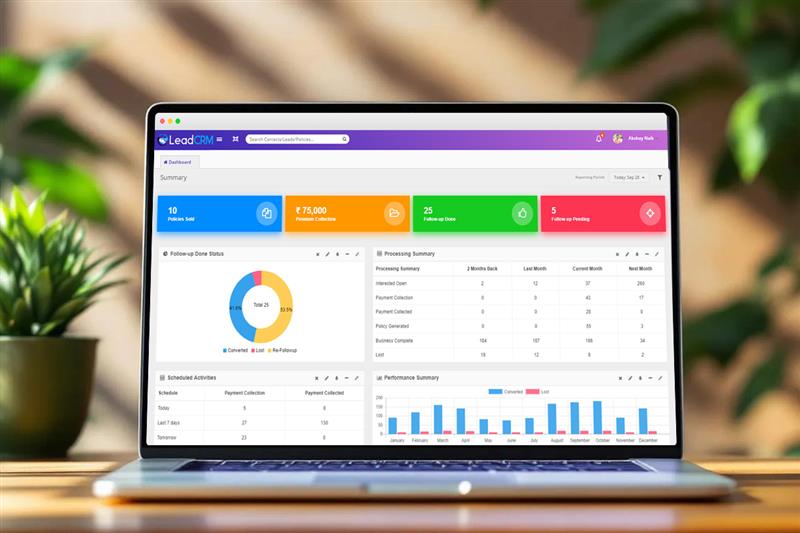
A big pain point for universities is keeping track of where each student is in the process. This is where a good CRM (Customer Relationship Management) system shines. Higher-ed CRMs help you:
- Manage leads and applications in one place.
- Trigger automated reminders for missing documents or payments.
- Give staff visibility into student progress at a glance.
Solutions like Salesforce Education Cloud or regional platforms tailored to higher education show how higher education automation is already transforming enrollment globally.
Payment Gateways and Verification Tools
No more standing in line for hours just to pay fees. Secure digital payment systems allow students to pay tuition online instantly, while backend systems update records automatically. When paired with automated ID verification and fraud detection, universities can ensure every application is genuine while reducing manual checks.
This doesn’t just make life easier for finance teams. It also means students get cleared for classes faster.
Integration with LMS and Communication Tools
A great enrollment system doesn’t stop at “admission complete.” The real value is when it syncs seamlessly with your LMS, email, and even WhatsApp. Imagine a student submitting documents today and having instant access to class resources tomorrow. No bottlenecks, no endless admin follow-ups.
We’ve seen this in practice with schools adopting scalable digital platforms. For example, in our guide on Managing Large Online Courses: Tech Solutions for Student Registration and Tracking, we highlight how enrollment data feeding directly into LMS systems cuts student onboarding time dramatically.
Measuring Success: KPIs for Automated Enrollment
How do you know if your enrollment automation is working? Start by tracking key metrics such as:
- Processing time – how long it takes from application to admission.
- Application-to-admission ratio – the percentage of leads that convert into students.
- Dropout rates – if students are leaving mid-way through the application.
Regular audits help keep systems optimized. External benchmarks like UNESCO higher education data and Times Higher Education reports can also give perspective on where your institution stands globally.
Finally
Automating student enrollment is not only about moving online, but also about creating a better experience for students and staff alike. By embracing a digital admissions process that combines smart forms, CRMs, payment gateways, and LMS integrations, universities can reduce friction, build trust, and scale more effectively.
At Vigilearn, we’ve seen firsthand how universities benefit when enrollment systems align with broader affordable scalable LMS solutions. This saves time, boosts efficiency, and most importantly, makes education more accessible.
If your institution is ready to take the next step in higher education automation, let’s talk. You can learn more about our approach here or get in touch with us directly through our Contact Page. Because when you automate student enrollment, you’re not just making admissions easier, you’re setting students up for success from day one.
