
It’s 7:30 p.m. You just wrapped up your last meeting of the day, your boss texted you with “just a quick thing” five minutes ago, and now you’re staring at a half-finished assignment for a professional course that’s due by morning.
Sound familiar?
Trying to juggle full-time work and study can feel like signing up for two lives at once whether you’re working toward a professional certification, trying to complete your MBA part-time, or brushing up on your tech skills to make a career shift. On paper, it seems manageable. After all, it’s “just” a few hours of evening coursework, right?
But once you’re in the thick of it, the reality hits differently, fatigue, forgotten deadlines, skipped meals, and this lingering feeling that you’re falling short at both work and school.
It’s not easy. But it’s also not impossible. If you’re currently wearing the double hat of professional and learner, here are some practical tips that can help you manage the load and, more importantly, protect your sanity. Use these practical tips to manage your time, energy, and goals—without letting study burnout take over.
1. Set a Routine, but Make It Yours
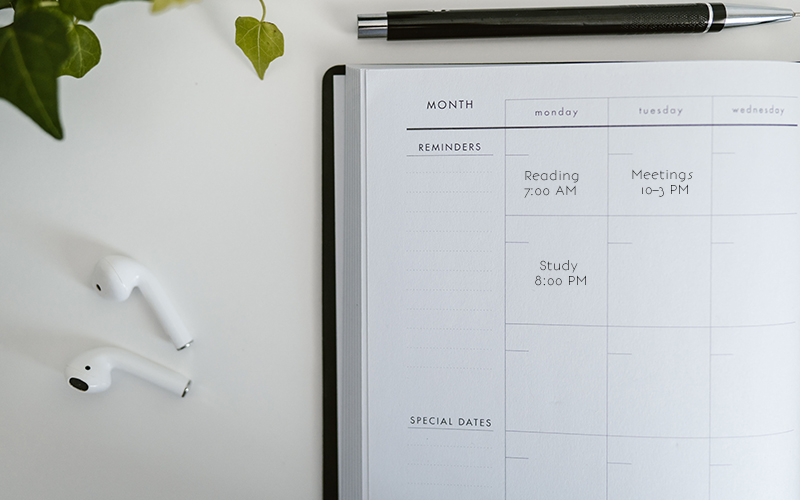
Everyone says “have a routine”, like it’s a magic fix. But the truth is, no two routines look the same. What works for a parent of two isn’t going to work for someone living alone with a 9–5 tech job and freelance gigs on the side.
Instead of copying a Pinterest-perfect schedule, build around your life. Are your mornings quiet? Use that time for reading. Do you hit an energy slump after lunch? Schedule lighter work tasks then. Your study plan should flow with your energy, not against it.
2. Get Real About Your Limits
A lot of burnout comes from expecting yourself to operate like a machine. But you’re human, especially when you’re learning. It’s okay if you can’t finish every single extra reading or watch every optional webinar. The goal isn’t perfection. The goal is progress.
Be honest with yourself. Can you handle two modules this term, or should you just take one? Are you staying up till 2 a.m. every night and waking up resentful? That’s a sign to scale back.
If your job is demanding, or you’re also managing family responsibilities, trimming your study load is not failure; it’s a strategy.
3. Make Space, Physically and Mentally

Trying to “squeeze in” learning between work emails and cooking dinner rarely works well. It leads to distracted studying, frustration, and unfinished tasks.
If possible, carve out a physical space, even if it’s a small corner of your living room, that’s your study zone. When you sit there, your brain starts associating it with focus time.
Mentally, set boundaries too. That means turning off work notifications when you’re studying and resisting the urge to scroll social media every five minutes. Some apps can help you block distractions while you focus.
4. Leverage the Flexibility of Online Learning
This is the biggest advantage modern learners have. Unlike traditional classrooms, most online programs today (Udemy, Coursera, or even MBA modules) offer on-demand content. That means no 8:00 a.m. lectures or rushing through traffic after work.
Use that flexibility to your advantage. Can’t focus on weeknights? Block out a few hours on Saturday mornings. Prefer audio? See if your modules have podcasts or video lectures you can listen to on your commute.
And don’t be afraid to break study sessions into small chunks. A 20-minute video during lunch and a 30-minute quiz before bed add up more than you think.
5. Talk to Your Employer (or Team)
A lot of professionals avoid this step because they don’t want to seem “less committed.” But you’d be surprised how many managers are supportive, especially if your course aligns with your current role.
If you’re studying something like digital marketing, data analysis, or project management that can benefit your workplace, let your employer know.
6. Don’t Study Alone
Working and studying already puts a lot on your plate, you don’t have to go through it in isolation. If your course offers discussion forums, group chats, or peer support options, use them.
Join a WhatsApp group with classmates, form a virtual accountability group. You’ll find others facing the same struggles, and sometimes a simple message like “Has anyone started Assignment 2 yet?” can make you feel less alone.
7. Listen to Your Body, Not Just Your Schedule
You can’t pour from an empty cup. If your body is screaming for rest but your calendar says “Study Finance 101,” guess who wins? Your body. Every time.
Burnout doesn’t always look like a breakdown. Sometimes it’s just you staring at your screen and not retaining anything. Or forgetting meetings. Or getting irritated at little things.
Build intentional rest into your routine. Take Sundays off. Go outside. Sleep. Rest isn’t a reward for productivity; it’s part of the process.
8. Track Progress, Celebrate Wins
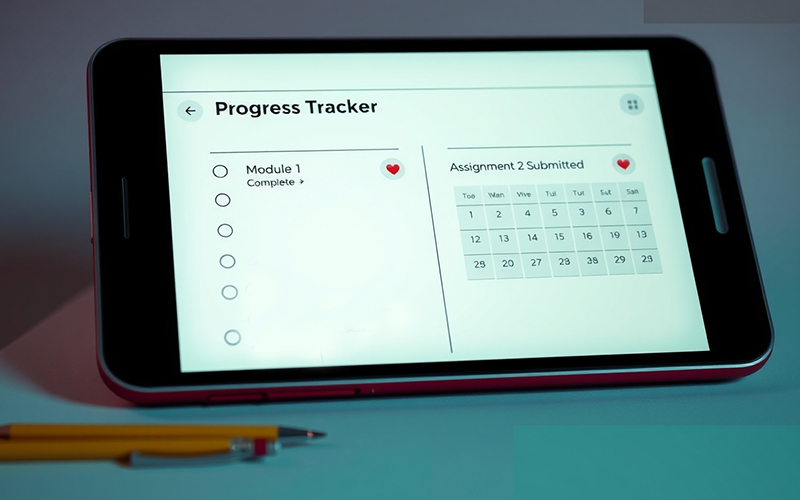
When you’re deep in the hustle, it’s easy to forget how far you’ve come. Keep a simple tracker or journal where you tick off completed modules, passed quizzes, or even days you just showed up.
That small sense of progress matters. Finished your third learning module? Celebrate it. Submitted an assignment despite a crazy workweek? That’s a win.
The finish line might still be months away, but every step counts, and you’re getting closer.
You’ve Got This (Even When It Feels Like You Don’t)
Balancing work and study is not for the faint of heart. But the fact that you’re even trying says a lot about your determination. So, give yourself grace. Take breaks without guilt. Ask for help when needed. And keep showing up at your own pace, on your own terms.
One day soon, you’ll look back at this version of yourself, tired but trying, busy but hopeful, and be proud you didn’t quit.
