
What if your e-learning strategy didn’t just run but thrived on real-time insights? Welcome to the world of data analytics in e-learning where every click, quiz, and course interaction tells a story.
Why Data Analytics in E-Learning Matters
It’s not just about digitizing the classroom anymore, It’s about making every learning moment count. With the rise of virtual learning environments, institutions need to move beyond guess work. Data analytics in e-learning empowers educators with rich, actionable insights to tailor content, support struggling students, and measure what actually works.
Need proof? EDUCAUSE and Brookings both highlight how data is becoming a vital compass for shaping more inclusive and effective learning systems worldwide.
Key Metrics Tracked Through Data Analytics in E-Learning
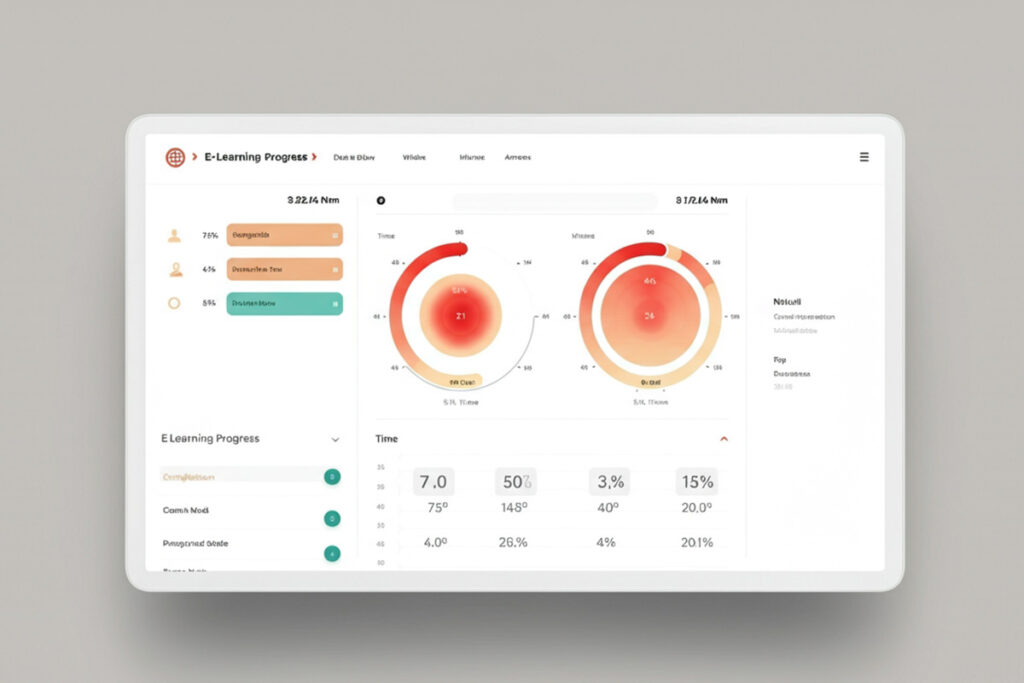
Thanks to modern e-learning analytics tools, you can now track:
- Engagement rates: Track how often students log in, participate in discussions, and attend sessions. This shows how involved they are in their learning journey.
- Assessment performance: Measure test and quiz scores to determine understanding and retention of content.
- Completion rates: See how many students finish their courses, and where drop-offs occur.
- Time spent on resources: Know which videos, documents, and modules are getting the most attention.
This isn’t just trivia, it’s student progress tracking in real time, helping educators identify learning gaps and growth opportunities fast.
For students:
- Personalized learning experiences: With real-time insights, students receive content recommendations tailored to their unique learning pace, style, and performance.
- Quicker interventions: Educators can identify struggling students early and provide timely support before issues escalate.
- Smoother learning journey: Students benefit from guided progress, clarity on expectations, and better engagement due to targeted communication and feedback.
For institutions:
- Smarter planning: Data reveals what courses, modules, or teaching methods are working and which ones aren’t. This enables institutions to optimize resources and course structures.
- Better content creation: Analytics help educators identify topics that need simplification or reinforcement, ensuring materials are relevant and effective.
- Higher retention rates: By using predictive insights to support at-risk students and fine-tune academic offerings, institutions improve student satisfaction and long-term success.
It’s all possible with the right data-driven education solutions. Even World Bank Education Data agree that using data is essential in improving educational outcomes globally.
Popular Tools Supporting Data Analytics in E-Learning
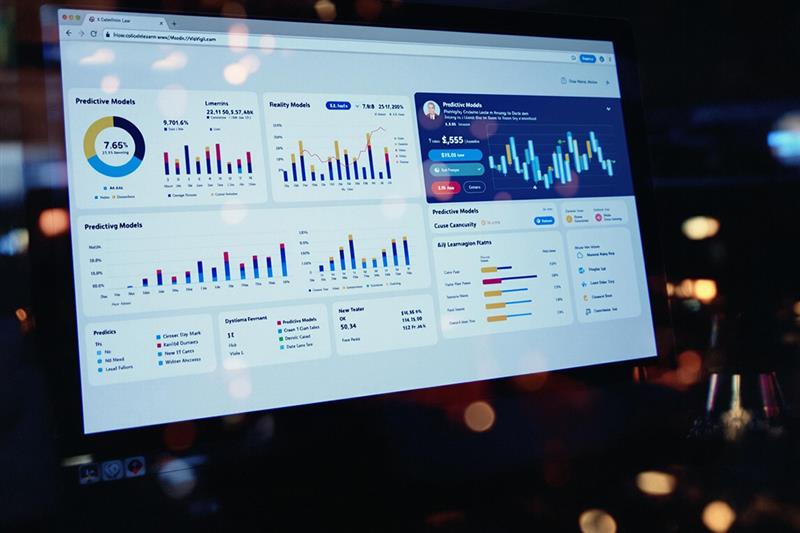
Many LMS platforms offer basic tracking. But if you’re serious about learning management system analytics, you need more. Vigilearn delivers advanced dashboards, trend analysis, and behavior tracking that lets you act on what matters most.
Other notable platforms offering robust e-learning analytics tools include:
- Moodle – Known for open-source flexibility and a wide range of reporting plugins.
- Canvas LMS – Offers customizable analytics dashboards and third-party integrations.
- Google Classroom (with add-ons) – Supports basic insights with extensions that enhance reporting.
- Blackboard Learn – Provides in-depth visual analytics for institutions of all sizes.
Challenges of Implementing Data Analytics in E-Learning

Even with all its promise, applying data analytics in e-learning comes with a few hurdles:
- Data privacy concerns: Institutions must handle student data with extreme care. Compliance with privacy laws like GDPR and NDPR isn’t optional; it’s a requirement. A single misstep could damage a school’s reputation and result in legal action, so security protocols and data governance need to be rock solid.
- System integration headaches: Many institutions use a mix of legacy systems, outdated tools, or standalone databases that don’t easily “talk” to each other. Integrating a modern analytics platform into this setup can be technically demanding and resource-intensive without the right IT support.
- Staff that needs upskilling: Collecting data is one thing. Understanding it is another. Educators and administrators often need training to navigate dashboards, interpret metrics, and translate insights into actions. Without this, the full benefits of educational data insights are left untapped.
But don’t worry, thought leaders at EdSurge have tons of advice on overcoming these barriers.
How Vigilearn Empowers Educators with Data Analytics in E-Learning
With Vigilearn, analytics is built-in, not bolted on. You get:
- Intuitive dashboards
- Real-time reporting
- Predictive alerts
- Custom reports for management
In short, you’re not just tracking progress, you’re unlocking potential.
Book a demo and see how Vigilearn transforms your learning ecosystem.
One More Thing…
If you’re still wondering whether it’s worth it, check out our full guide on How a Student Information System Improves Academic Success or go straight to our homepage and dive in because with data analytics in e-learning, the future of education is already here and it’s smarter than ever.