
The Digital Shift in Admissions: Why Security Matters More Than Ever
In today’s world, applying to a university is as easy as a few clicks. Students can submit applications from anywhere, their phone, laptop, or tablet in just minutes. It’s fast, convenient, and exactly what this digital generation expects.
But behind that convenience lies a growing risk. As more universities move their admissions online, cases of fake documents, identity theft, and application fraud are increasing. Scammers now use technology just as easily as students do, and that means universities must stay one step ahead.
Weak verification systems can open the door to fraudulent applications, costing institutions both money and credibility. A single case of fraud can damage a university’s reputation and make prospective students question how safe their information really is.
That is why secure online admissions have become essential. It is no longer just about efficiency; it is about protecting integrity. A secure system gives both schools and students the confidence that every application is real, every record is accurate, and every piece of data is protected.
As the World Bank Education Security Report points out, institutions that invest in security are not just keeping out fraud. They are building trust. And in higher education, trust is everything.
When universities get security right, the results go beyond technology. They strengthen relationships, boost enrollment, and create an ecosystem where learning thrives safely.
What Secure Online Admissions Look Like
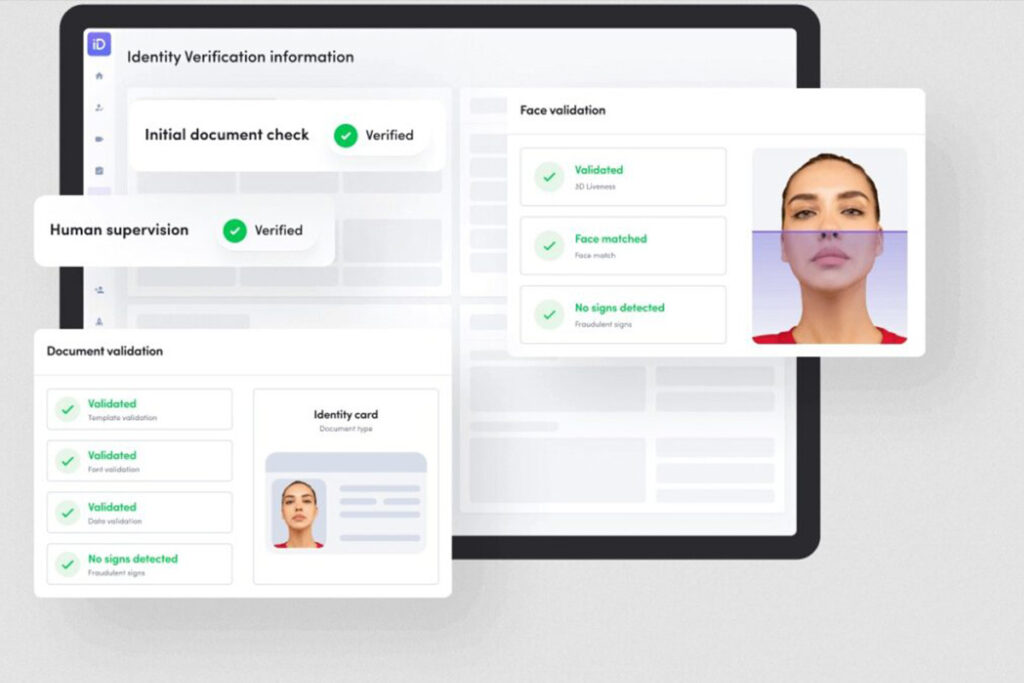
A secure online admission system goes far beyond a login page or password protection. It is built on multiple layers of defense that protect data from start to finish.
First, there is multi-layer verification. Every student’s identity is verified through secure document uploads, digital ID checks, or integration with national databases. This step ensures that applicants are who they claim to be, reducing the risk of impersonation or false submissions.
Second, data encryption plays a key role. Encryption converts sensitive information into unreadable code that can only be unlocked by authorized users. This keeps student records safe from hackers or leaks.
Third, universities benefit from real-time data tracking and audit trails. These features record every action within the admissions system, from when a form was uploaded to when it was reviewed. This level of transparency helps detect suspicious activity early and strengthens accountability.
Some institutions take it further by integrating their admission systems with government and institutional databases. This makes it easier to verify national exam results, transcripts, and other documents directly, ensuring accuracy and reducing manual work.
When all these elements come together, the result is a process that is faster, safer, and more trustworthy for everyone involved.
Why Security Matters More Than Ever
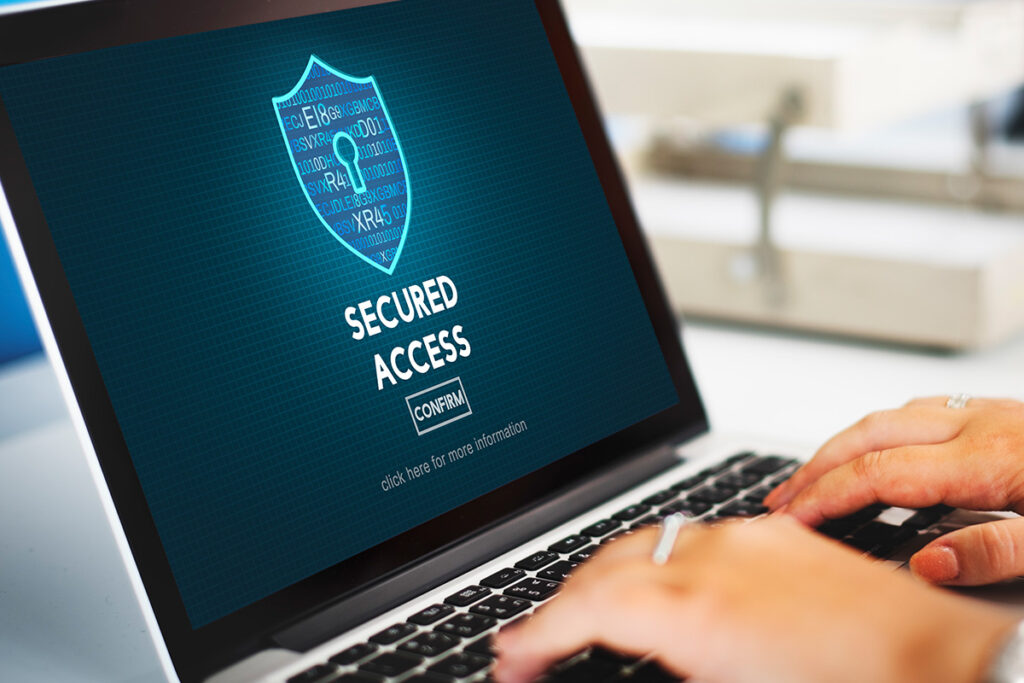
Security is no longer just about protecting servers, it’s about protecting people. When an applicant submits documents online, they’re entrusting the university with their future. That includes personal details, financial information, and sometimes even family data.
If that information gets mishandled, it doesn’t only harm the student, it damages the institution’s reputation. Universities that fail to implement secure online admissions systems may face public distrust, loss of applications, and even legal implications under data protection laws like Nigeria’s NDPR or the EU’s GDPR.
The Cybersecurity & Infrastructure Security Agency (CISA) recommends that education providers adopt regular data audits and employee training programs to reduce risks of data breaches. Having the right tools is not enough, universities must ensure the people using them understand how to keep systems secure.
The Role of Vigilearn in Ensuring Secure Online Admissions

At Vigilearn, security is built into every part of the admissions process. The goal is simple, to help universities create a safer, smarter, and more trustworthy application experience for students and staff alike.
Vigilearn’s Apply Portal uses advanced verification tools to confirm student identities and validate submitted documents. With integrated ID verification and document authentication, fake transcripts or altered credentials are easily detected before they enter the system.
Data protection is another core focus. The platform is secured with SSL encryption, the same technology trusted by major banks and global organizations to keep sensitive data safe from interception or misuse. Every time an applicant uploads a file or fills out a form, that data is encrypted and stored securely, ensuring complete privacy.
In addition, Vigilearn maintains detailed audit trails. These digital records track every activity on the platform, allowing administrators to review who accessed what, when, and why. This transparency not only deters fraudulent activity but also helps institutions stay compliant with national and international data protection standards.
Beyond security, Vigilearn also focuses on efficiency. The platform’s automation tools reduce manual review time, while real-time alerts notify staff about incomplete applications or suspicious submissions. This proactive system helps universities respond faster and stay one step ahead of potential risks.
Universities using Vigilearn are finding that it doesn’t just protect data, it builds confidence. When applicants see that their information is handled securely, they are more likely to complete their submissions and recommend the school to others. Trust, once earned, becomes a powerful advantage in a competitive admissions landscape.
To explore how Vigilearn can help your institution achieve secure and seamless online admissions, visit the Vigilearn homepage or connect directly with our team through the Vigilearn Contact page.
Building Long-Term Trust Through Transparency
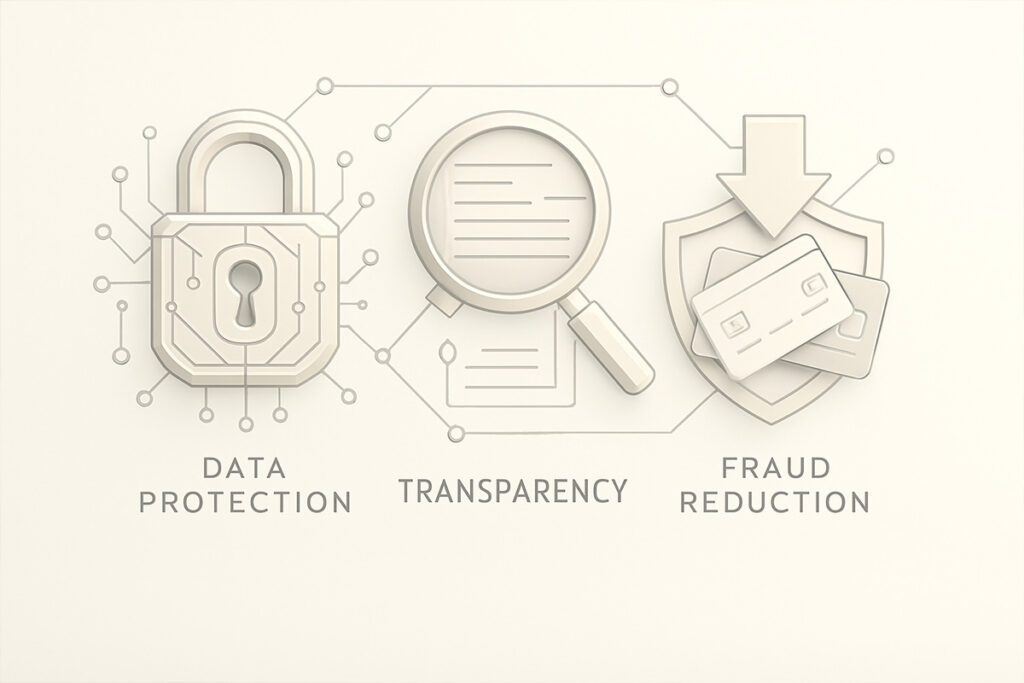
Security alone isn’t enough. True confidence comes when universities are open about how data is used, stored, and protected. Students want to know that their personal information isn’t being misused or shared without consent.
That’s why the most trusted universities take an open and transparent approach to digital admissions. They clearly explain their data policies, display consent options, and communicate how AI tools are used in decision-making.
Speaking of AI, many institutions now rely on artificial intelligence to detect unusual behavior or submission patterns that might signal fraud. These systems analyze large sets of data to flag inconsistencies such as duplicate applications, false credentials, or suspicious login activity long before a human reviewer could catch them.
This kind of smart monitoring not only strengthens security but also helps institutions stay compliant with global data regulations like GDPR and local privacy laws.
When students see that their university values honesty, privacy, and fairness, trust naturally follows. That trust is what encourages them to enroll, engage, and advocate for the institution long after they’ve been admitted.
For universities that want to lead in this digital era, building transparency into every interaction isn’t optional; it’s essential.
The Future of Secure Online Admissions
The future of online admissions will be defined by one thing: trust through technology. As universities continue to embrace automation, AI, and cloud-based systems, security must evolve alongside innovation.
We can expect to see even smarter systems, ones that combine facial recognition, blockchain-based verification, and instant cross-checking with national databases. These technologies will make fraud nearly impossible and give institutions confidence in every admission decision.
However, technology alone cannot build trust. It takes a shared commitment between universities, tech providers, and policymakers to keep improving standards and protecting student data responsibly.
At Vigilearn, this commitment drives every innovation. By combining secure technology, transparent practices, and user-friendly systems, we help universities create admissions experiences that are both efficient and trustworthy today and for the future.
For more insights on improving education security, visit our related blog, Ethical Use of Data in EdTech: Protecting Students and Institutions, or explore How to Automate Student Enrollment for Higher Education Institutions.
To learn more about the global shift toward secure online admissions, check resources from IBM Security Education Solutions, CISA, and Educause Security Resources.
Finally, Universities that invest in security today are not just protecting data, they’re protecting their legacy. And with Vigilearn’s Platform, that future is already within reach.
