In many Nigerian schools today, student data is tracked manually on paper registers, spreadsheets, or scattered digital files. Teachers carry stacks of archived grade sheets. Administrators struggle to compile attendance and performance data. Parents wait days, sometimes weeks, for updates. These outdated practices create inefficiencies, delays, and, most crucially, lost opportunities for early academic support.
But what if there was a smarter way? What if educators could access real‑time grades, attendance records, and engagement metrics, all in one centralised platform? How might that change the trajectory of student success?
This is where a well‑designed student information system transforms the educational landscape. It’s more than just software; it’s an engine for academic improvement, especially when data meets action.
What Is a Student Information System?
A student information system (SIS), also known as a school administration system, is a robust digital platform that consolidates all student‑related data. From admission details and demographics to grades, attendance, exam results, and even co‑curricular records, everything lives in one secure, centralised digital database.
Key stakeholders, teachers, administrators, parents, and students, can access the SIS platform to:
- Register courses and generate timetables
- Record and monitor grades and transcripts
- Track attendance and send alerts for absences
- Generate academic, behavioural, or engagement reports
- Manage communication between school staff, families, and students
In short, a modern student information system replaces scattered spreadsheets and paper trails, enabling data‑driven decision‑making at every level.
Why Schools in Nigeria Need an SIS
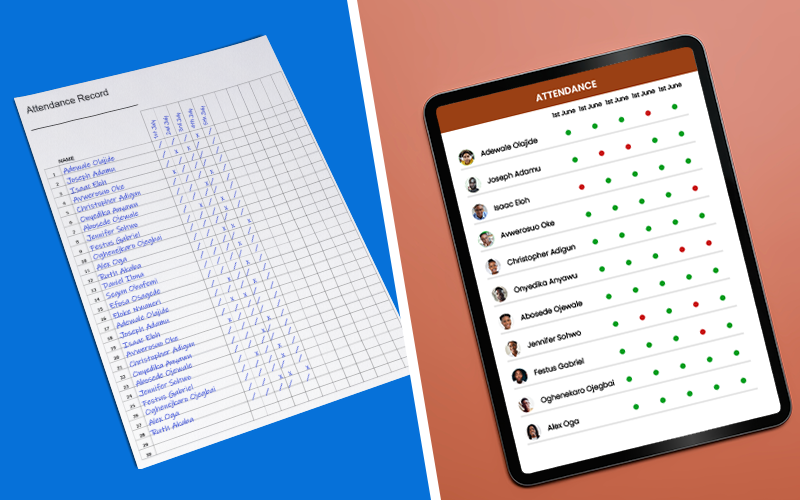
Nigeria’s educational system faces systemic data challenges. Traditional methods lead to:
- Errors and delays in reporting. Manual systems are error‑prone, and collating data from multiple volumes is time-consuming.
- Lack of transparency. Parents and administrators often don’t have timely access to student progress.
- Limited early intervention. Teachers struggle to identify trends like declining performance or frequent absences in time to act.
Despite more than three decades of efforts to build a national Educational Management Information System (EMIS), implementation has been hindered by low funding, poor integration across administrative levels, and a lack of skills at the school level. But more localised solutions, like SIS tailored to school usage, offer the agility, transparency, and real‑time reporting necessary to bridge these gaps.
By automating data collection and analysis, a quality student information system addresses core Nigerian education system limitations, reducing errors, accelerating access, and empowering early academic support.
How a Student Information System Boosts Academic Success
Implementing a functional student information system offers distinct pathways to boosting academic outcomes:
1. Real-Time Grade Monitoring
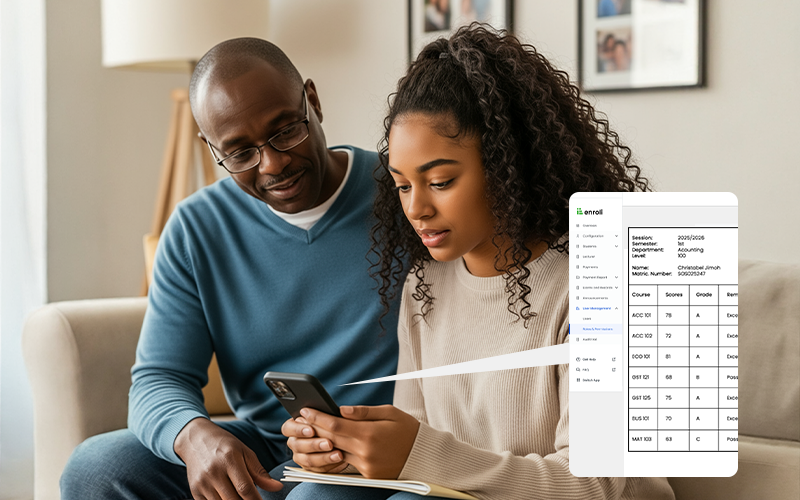
Teachers update grades right after assessments. Parents and students can log in anytime to check progress; no more waiting days for progress reports. This transparency motivates students and helps teachers identify and address gaps quickly.
2. Custom Performance Reports
SIS platforms can generate a range of reports, per student, class, grade level, subject, and even by demographics. These analytics help identify underperforming areas, enabling tailored learning strategies and resources. Brookings recently highlighted that real-time performance data is critical to improve outcomes on the ground
3. Early Intervention Alerts
Combine attendance and grade tracking, and you can flag patterns, like missed classes or sudden grade drops. Once alerts go out, teachers or counsellors can reach out immediately, preventing issues from escalating. For instance, a school using a digital SIS might detect a student’s rising absence rate and intervene before the student drops out, shifting from reactive to proactive support.
4. Enhanced Parental Engagement
Parents receive automated notifications about attendance, upcoming exams, or missing assignments. This ongoing involvement strengthens the school–home learning loop, a proven driver of student success.
5. Data-Informed Resource Allocation
School leaders use SIS dashboards to identify trends, e.g., low math scores in the junior class. They can then prioritise interventions, allocate resources, or launch enrichment classes where needed most. Adhering to the ISTE Standards, schools using a student information system allow data-informed decisions that enable personalised learning, turning classroom data into actionable insights
Ultimately, an effective SIS transforms raw data into actionable insights, empowering educators to support each student’s success.
Key Features to Look for in a Good SIS
Choosing the right student information system requires assessing key features:
- Secure login & role‑based access: Different levels of access (e.g., teacher, admin, parent, student) help maintain privacy and data integrity.
- Mobile access: In contexts with intermittent computer availability, mobile readiness ensures teachers and parents can engage anytime, anywhere.
- Integration with LMS: Linking gradebooks, learning modules, assignments, and quizzes helps maintain consistency and reduces duplicate work.
- Data backups and recovery: Automatic backups protect against data loss and ensure reliability.
- Analytics dashboards: Customizable, graphical dashboards summarise key metrics, trends, and alerts.
- Attendance settings: Options for class‑period or full‑day marking, automated SMS/emails for absences.
- Custom performance tracking: Ability to monitor issues like continuous assessment, formative feedback, or behavioural metrics.
These core capabilities turn a student information system from a data warehouse into a dynamic academic‑support tool.
How Enroli SIS Supports Nigerian Schools
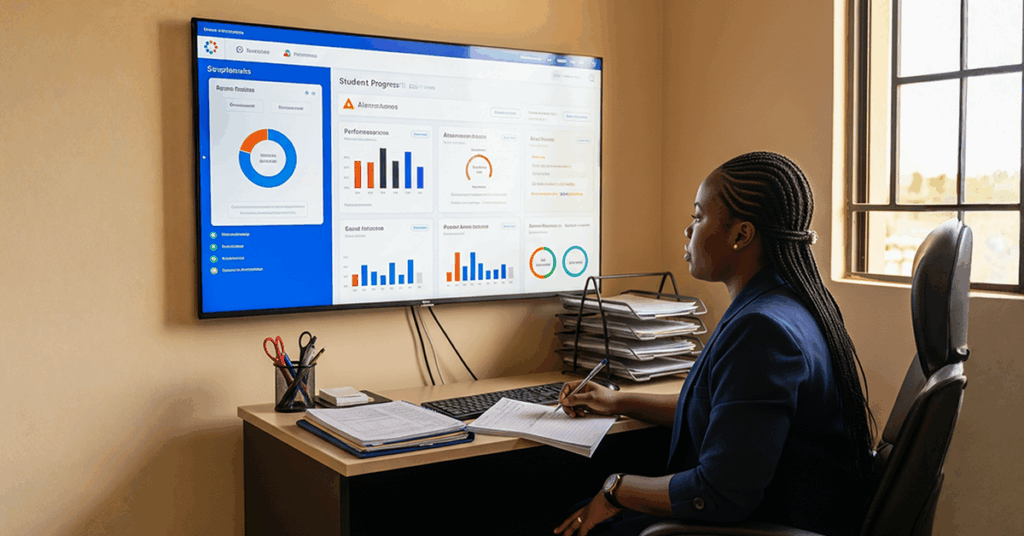
Vigilearn’s Enroli SIS has been purpose‑built for schools in Nigeria, with features designed for local realities:
- Attendance, performance, and engagement tracking: Real‑time, user-friendly dashboards show school‑wide and individual student trends instantly.
- Offline/low bandwidth capability: School staff can input data offline and sync once internet is available, ideal for areas with intermittent connectivity.
- Mobile‑first design: Teachers and parents can access SIS features via smartphones and tablets, even when computer labs are occupied or offline.
- Automated communication: SMS and email notifications are sent for absences, low grades, or missing assignments.
- Local support and onboarding: Custom onboarding, training, and continuous support ensure schools don’t just implement the tool; they use it effectively.
This combination of technology and contextual adaptation makes Vigilearn a powerful ally in enhancing academic outcomes through data‑driven strategies.
Challenges and How to Overcome Them
Deploying any SIS in Nigeria faces real obstacles. Here’s how Vigilearn addresses them:
1. Digital Literacy Gaps
Not all teachers, staff, or parents are tech‑savvy. Vigilearn provides in‑person and virtual training, intuitive UX, and easy‑to‑use manuals, all designed for non‑technical users.
2. Cost Concerns
Budget constraints are common. Vigilearn offers tiered pricing, flexible payment plans, and modular adoption. Schools can start small and scale up features as needed.
3. Resistance to Change
Long‑standing manual processes can make new workflows intimidating. Vigilearn runs champion programs, where early adopters mentor colleagues, and incentives are tied to usage and outcomes.
4. Connectivity and Infrastructure Issues
Frequent power and internet outages are a concern. Vigilearn’s offline‑capable platform, data sync, and secure backups keep the system running regardless of connectivity.
By addressing these challenges head‑on, schools can transition from paper‑based chaos to digital clarity.
Next Steps for Schools Interested in an SIS
Curious schools can put a student information system into action by following these steps:
- Start with a demo
Schedule a personalised walkthrough to see features in action. Click through modules, look at dashboards, and explore reporting capabilities.
- Ask about custom features
Every school is different. If you need modules for fee management, library tracking, parent portal enhancements, behavioural logs, or exam boards, ask for custom builds.
- Plan rollout with key staff
Form a small implementation team; maybe a teacher, the IT admin, and a school leader. Define pilot classes, set timelines, and map responsibilities.
- Train, pilot, iterate
Conduct initial training, run a short pilot, gather feedback, adjust settings, and then expand usage across staff and students.
- Evaluate success metrics
Measure improvements: reduction in date‑lagged grade reports, early intervention alerts issued, or increased parent logins. Adjust training or feature use accordingly.
A student information system is not just another digital tool; it’s a strategic investment in academic excellence.
For Nigerian schools, where manual systems and infrastructure challenges still hinder progress, a contextualised SIS like Enroli SIS delivers more than efficiency. It unlocks equity, accountability, and personalised learning pathways.
If you’re ready to help your school leap into the future, start with a demo via https://vigilearn.com/contact‑us/.