
Education Management Information System: How Governments Manage School Data

Managing education at a national or state level means making decisions based on a constant flow of information: how many learners are enrolled, where schools are located, how many teachers are available, which facilities need attention, and where resources are most urgently needed. When that information is collected through disconnected systems, paper records, and spreadsheets, […]
Digital Identity Verification: Why Governments Are Rethinking How They Confirm Who’s Who

Digital identity verification has quietly become one of the hardest problems in government administration, not because verifying a single person is difficult, but because confirming that thousands of people in a database are real, unique and correctly linked to their records is. A ministry can have sound policy and capable staff, and still lose money […]
Online Application Portal: How Institutions and Government Agencies Simplify the Application Process
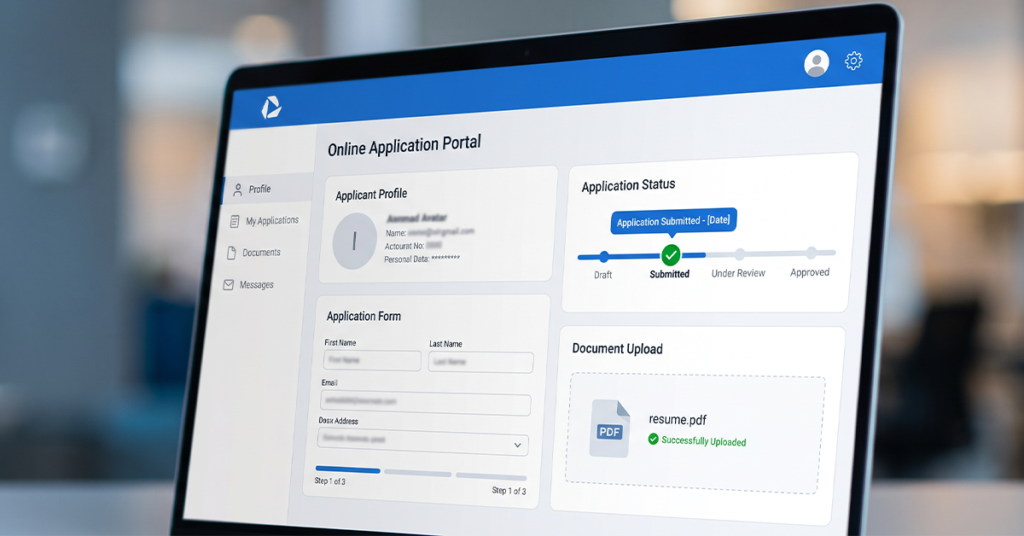
An online application portal is quietly becoming the backbone of how universities, businesses and government agencies collect and manage applications at scale. For decades, the default was paper forms, email attachments and spreadsheets stitched together by whichever staff member had the patience for it. That approach worked when volumes were modest. It buckles the moment […]
Video API: The Infrastructure Layer Fintechs Overlook

A video API is one of the few pieces of infrastructure a modern fintech can add to its product without needing to build, host or maintain the underlying communication layer itself. Over the past several years, fintech infrastructure has become genuinely modular: a product team can integrate payments, banking rails, identity verification, KYC, notifications and […]
Compliance Training Software: What Banks and Fintechs Need to Meet Modern AML Standards

One of the most consequential purchases a Nigerian bank or fintech will make this year is compliance training software, and the reason has little to do with technology for its own sake. A written AML (Anti-Money Laundering) policy sitting in a shared drive tells a regulator nothing about whether the people handling customer funds actually […]